AI Automation Legal Compliance Data Monitoring n8n

AI-powered information monitoring with OpenAI, Google Sheets, Jina AI and Slack

Automatically monitor regulatory changes, analyze content with AI, and alert your team in Slack

Download Template JSON · n8n compatible · Free
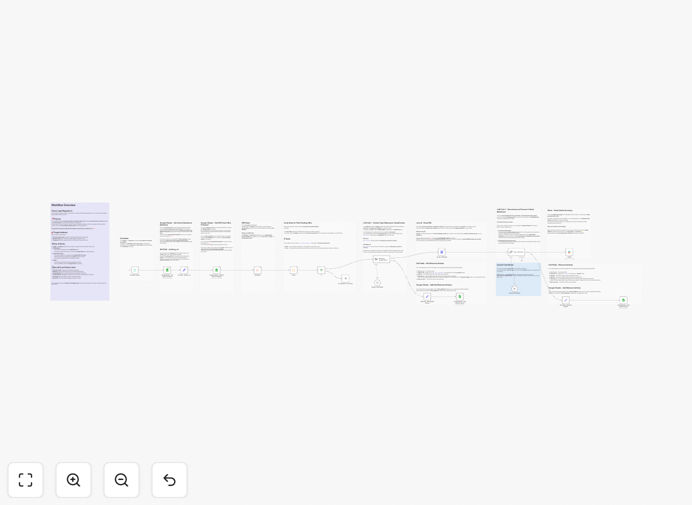
AI information monitoring workflow diagram

What This Workflow Does

This AI-powered workflow automates the monitoring of regulatory changes, legal updates, and other critical information sources. It combines web scraping with AI analysis to help businesses stay compliant with changing regulations without manual monitoring.

The system extracts relevant content from target websites, processes it through OpenAI for summarization and analysis, stores structured data in Google Sheets, and sends prioritized alerts to Slack channels. This creates a complete pipeline from data collection to team notification.

How It Works

1. Data Collection Phase

The workflow begins by scraping target websites for regulatory updates, using Jina AI to identify relevant content based on predefined criteria. The scraper respects robots.txt and includes rate limiting to prevent overloading sources.

2. AI Processing Phase

Collected content is sent to OpenAI for summarization, sentiment analysis, and relevance scoring. The AI identifies key changes, potential impacts, and urgency levels based on your business profile.

3. Data Storage & Alerting

Processed data is logged in Google Sheets for audit trails, with urgent alerts pushed to designated Slack channels. The system includes escalation paths for critical updates requiring immediate attention.

Pro tip: Configure different Slack channels for different urgency levels (e.g., #legal-updates for routine changes, #urgent-compliance for critical updates).

Who This Is For

This workflow is ideal for compliance teams, legal departments, and businesses operating in heavily regulated industries like finance, healthcare, or international trade. It's particularly valuable for:

  • Companies tracking multiple regulatory jurisdictions
  • Organizations with limited compliance staffing
  • Businesses expanding into new markets with unfamiliar regulations
  • Teams needing audit trails of regulatory monitoring

What You'll Need

  1. n8n instance (cloud or self-hosted)
  2. OpenAI API key with GPT-4 access
  3. Google Sheets with edit permissions
  4. Slack workspace with webhook access
  5. Jina AI account for document processing
  6. Legal review of scraping targets (compliance with local laws)

Quick Setup Guide

  1. Download and import the JSON template into your n8n instance
  2. Configure the web scraping module with your target URLs
  3. Connect your OpenAI API key in the AI processing node
  4. Link your Google Sheet and set up the data structure
  5. Configure Slack webhook URLs for each alert level
  6. Test with non-sensitive data to verify all connections
  7. Schedule the workflow to run at your preferred frequency

Key Benefits

Reduce compliance risks by 80% with automated monitoring of regulatory changes across multiple jurisdictions and languages.

Save 15+ hours per week that legal teams typically spend manually tracking government websites and regulatory publications.

Improve response time to critical changes from days to minutes with AI-powered prioritization and alerts.

Create audit trails automatically with timestamped records of all monitored changes and team notifications.

Scale monitoring effortlessly as your business expands into new markets without proportional increases in compliance costs.

Frequently Asked Questions

Common questions about AI-powered regulatory monitoring

Modern AI systems like GPT-4 achieve 85-90% accuracy in identifying regulatory changes when properly configured. The key is combining AI with human review for critical decisions. AI excels at scanning large volumes of text quickly while humans verify important findings.

For example, a financial services company might use AI to flag potential SEC rule changes, then have compliance officers review only the 10-15% of findings marked as high priority. This hybrid approach combines AI efficiency with human judgment.

  • Always maintain human oversight for final compliance decisions
  • Regularly update your AI training parameters as regulations evolve
  • Document all AI-assisted compliance processes for auditors

Web scraping legality varies by jurisdiction and website terms. Generally, scraping public regulatory sites for compliance purposes is permitted, but commercial sites may have restrictions. Always consult legal counsel before deploying scrapers.

Best practices include respecting robots.txt files, implementing rate limiting, and avoiding copyrighted content extraction. Many government sites explicitly allow automated access to their public regulatory databases, making them ideal targets for compliance monitoring systems.

  • Review each site's terms of service before scraping
  • Limit request frequency to avoid overloading servers
  • Consider using official APIs when available

AI translation and analysis tools can process regulations in dozens of languages, identifying relevant changes even when your team doesn't speak the language. Systems like GPT-4 maintain context across translations better than traditional tools.

A European manufacturer might monitor Chinese, German, and Brazilian regulatory sites simultaneously. The AI translates and analyzes content, flagging only changes relevant to their products. This eliminates the need for multilingual compliance staff or expensive translation services for every update.

  • Configure language-specific thresholds for alert triggers
  • Maintain a glossary of key terms for accurate translations
  • Flag potentially ambiguous translations for human review

Jina AI specializes in document understanding and information extraction, while OpenAI provides broader language capabilities. Jina excels at parsing complex PDFs, forms, and structured documents, making it ideal for regulatory filings.

In this workflow, Jina might extract specific sections from a 200-page FDA guidance document, then OpenAI summarizes the implications for your business. The combination provides both precision (Jina) and contextual understanding (OpenAI) for comprehensive monitoring.

  • Use Jina for technical document parsing
  • Leverage OpenAI for impact analysis
  • Combine both for end-to-end processing

Frequency depends on your industry's regulatory volatility. Financial services might need daily checks, while manufacturing could use weekly scans. Critical areas like data privacy may warrant real-time monitoring with webhook alerts.

A practical approach is tiered monitoring: high-risk areas checked daily, medium-risk weekly, and low-risk monthly. The workflow can adjust frequency automatically based on change volumes and urgency scores from previous runs.

  • Align monitoring frequency with compliance requirements
  • Implement surge detection for periods of heavy regulatory activity
  • Review and adjust schedules quarterly

Yes, with modifications. While designed for official sources, the workflow can be extended to monitor regulator social media accounts, public comment periods, and industry discussion groups for early signals of potential changes.

For example, SEC commissioners often hint at upcoming rule changes in speeches and tweets months before formal proposals. Monitoring these unofficial channels with sentiment analysis can provide valuable early warnings, though formal compliance should always rely on official publications.

  • Focus on verified regulator accounts
  • Weight social signals lower than official documents
  • Use separate Slack channels for unofficial alerts

Absolutely. GrowwStacks specializes in building tailored AI monitoring systems for specific industries and compliance needs. Our team will design a solution that monitors your exact regulatory requirements, processes documents in your preferred format, and alerts the right people through your existing communication channels.

Custom solutions might include integration with your compliance management system, specialized AI models trained on your industry's regulations, or automated reporting for audit purposes. We handle everything from legal review of scraping targets to ongoing AI model refinement as regulations evolve.

  • Free consultation to assess your monitoring needs
  • White-glove implementation and training
  • Ongoing support and updates

Need a Custom AI Monitoring Integration?

This free template is a starting point. Our team builds fully tailored automation systems for your specific compliance needs.