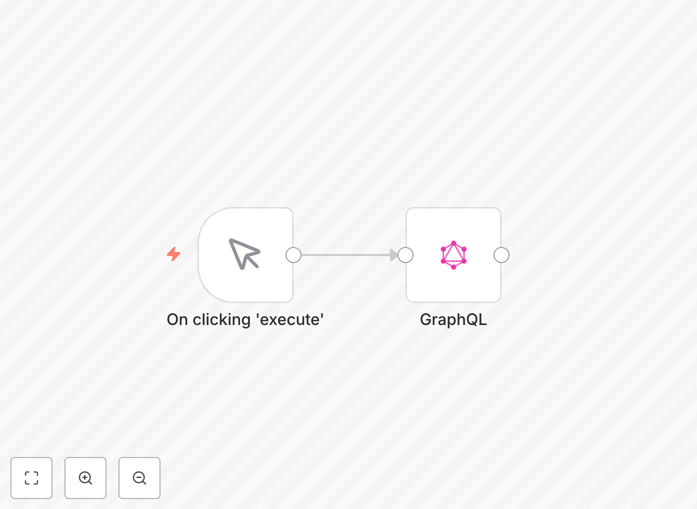
What This Workflow Does
This automation solution connects to the SpaceX GraphQL API to retrieve the last five rocket launches, including mission details, payload information, and launch status. It solves the problem of manually checking multiple sources for space launch updates by providing a structured, automated way to access this data.
The workflow demonstrates how to use n8n's GraphQL node to make efficient API queries, showing best practices for handling space data in business applications. It returns clean, formatted data ready for use in dashboards, reports, or other systems.
How It Works
1. GraphQL Query Setup
The workflow starts by configuring the GraphQL node with the SpaceX API endpoint and crafting a precise query to request only the needed launch data fields.
2. Data Processing
n8n processes the API response, extracting the last five launches and transforming the data into a more usable format for business applications.
3. Output Formatting
The final step organizes the launch data with clear field names and consistent formatting, making it ready for integration with other systems or visualization tools.
Who This Is For
This template is ideal for aerospace companies, educational institutions, space enthusiasts, and data analysts who need regular updates on SpaceX activities. Media organizations can use it to automate content creation about space launches, while research teams can integrate it into their data collection pipelines.
Pro tip: Combine this with a scheduling node to automatically check for new launches at regular intervals, keeping your data always up-to-date.
What You'll Need
- An n8n instance (cloud or self-hosted)
- Basic understanding of GraphQL queries
- Internet access to reach the SpaceX API
Quick Setup Guide
- Download the JSON template file
- Import it into your n8n instance
- Run the workflow to test the connection
- Modify the GraphQL query if you need different data fields
- Connect the output to your preferred destination (database, email, etc.)
Key Benefits
Time savings: Automates what would otherwise be manual data collection, saving hours per month.
Data accuracy: Eliminates human error in recording launch details from multiple sources.
Flexibility: Easily adaptable to request different data points as your needs change.
Integration-ready: Output formatted for easy connection to other business systems.